

Fall Risk Prevention
Falls are one of the leading causes of injury, especially for older adults — but many falls are preventable. Simple steps like reviewing medications, improving home safety, staying active, and scheduling regular vision and balance checks can significantly reduce risk.
1. Quick Home Modifications.
Do you want to make your home safer and make activities such as bathing, moving around the house or cooking easier? Here's a list of simple home modification steps to reduce hazards that might cause falls and other injuries.
- Secure some support: Buy a shower seat, grab bar, and adjustable-height hand-held shower head to make bathing easier and safer.
- Light it up: Replace burnt-out bulbs with bright, non-glare lightbulbs.
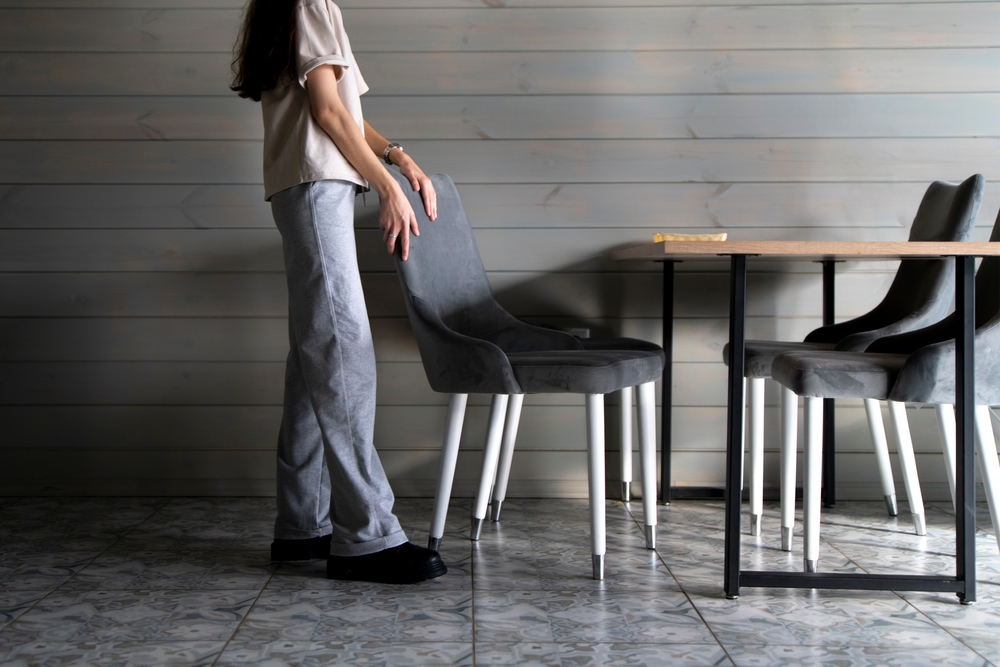
- Have a seat: Place a sturdy chair in your bedroom so you can sit while getting dressed.
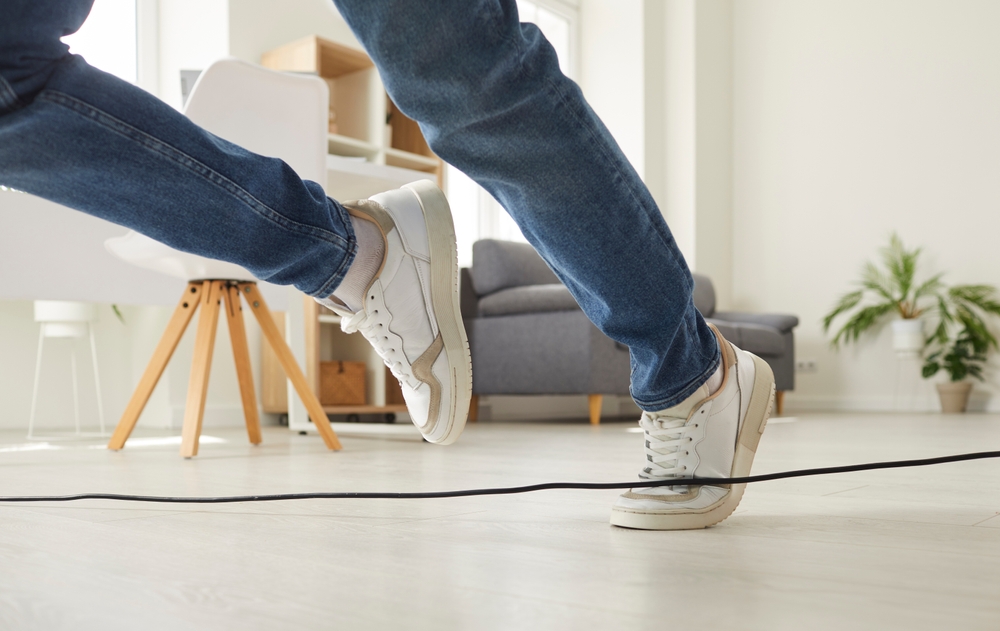
- Clear the way: Keep items off stairs and remove clutter and throw rugs from floors.
- Store for success: Keep frequently used items between waist and shoulder height.
2. Shoe Safety.
When it comes to preventing falls, what you wear on your feet really matters! The right shoes can help you stay steady, confident, and active — while the wrong ones can put you at risk. So, what should you look for in safe, supportive footwear?
- Choose a broad, solid heel for better ground contact.
- Look for a firm heel collar for ankle support.
- A thin, firm midsole helps you feel the ground and stay balanced.
- Textured soles grip surfaces like tire tread.
- Laces or secure straps keep shoes snug and stable.
Shoes to Avoid:
- Slippery, thin soles that slide easily.
- Loose shoes without laces or straps.
- Flip-flops and flimsy slippers — they lack support.
- High heels — they throw off your balance.
3. Talk to your Provider.
More than one in four older adults falls each year, but only half tell their doctor. It is important for your doctor to know about any health problems, including concerns about balance and falls. Get the most out of your conversations with these six tips.
- Write a list of things you want to talk about. Before your appointment, create an outline of health topics you want to discuss.
- Ask for a falls risk assessment. If you have fallen, have trouble walking, or feel unsteady, talk to your doctor about having a falls risk assessment.
- Talk about other specialists. Ask your doctor if you would benefit from seeing a physical therapist, occupational therapist, or other specialists to help reduce your risk of falls.
- Be honest about your concerns. Tell your doctor if you have fallen and share as many details as possible. The more your doctor knows, the more they can help you.
- Take notes — and ask for notes! Bring a notepad and pen to write down any important information your doctor shares with you.
- Ask your doctor questions. If there is anything you do not understand, ask your doctor again. Repeating information back to the doctor will help you remember and let the doctor know you understand the information.

4. Ladder Safety.
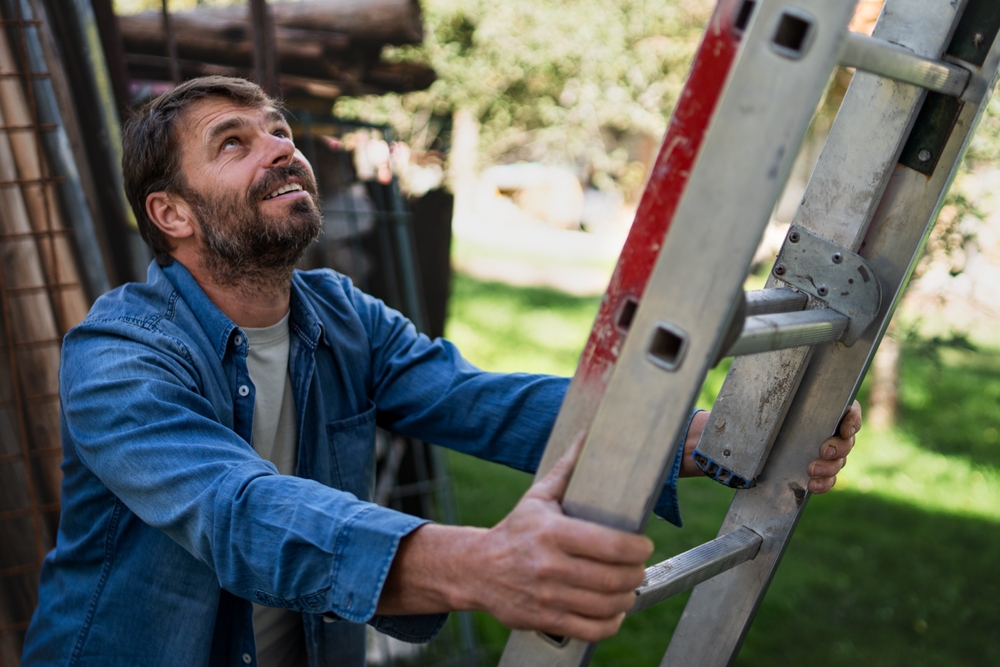
Falls from ladders can be prevented. Here are some main checkpoints when using a ladder:
- Choose the right ladder for the job.
- Maintain three points of contact.
- Secure the ladder.
- Always face the ladder.
Want even more? Check out our list of resources.